Barcelona has a complicated relationship with tourism. It’s one of the most visited cities in Europe, and residents have been saying loudly for years that the numbers in a few small areas, the Gothic Quarter, Las Ramblas, the Sagrada Família, have become unbearable. The city’s response has been higher taxes, tighter rules on holiday flats and a push to get visitors exploring further afield.
The good news is that the rest of Barcelona is wonderful, and a lot of it barely sees tourists at all. Here’s where to go once you’ve ticked off the big names.
Gràcia: the village inside the city
Gràcia was a separate town until the late nineteenth century and it still feels like one. Narrow streets open onto little squares lined with bars and plane trees, Plaça del Sol and Plaça de la Virreina being the best known. Come in the evening, when families are out and the terraces fill up. If you’re here in mid-August, the Festa Major de Gràcia sees whole streets decorated by residents in competition with each other.
The Bunkers del Carmel: the best free view in Barcelona
On top of Turó de la Rovira, the remains of a Civil War anti-aircraft battery give you a full 360-degree panorama: the sea, Montjuïc, the Sagrada Família and the grid of the Eixample laid out below. It’s no longer a secret, and sunset gets busy, so go in the morning if you want it quieter. Remember people live on the hill. Keep the noise down and take your rubbish with you.

Sant Antoni: a market for people who live here
La Boqueria on Las Ramblas is spectacular, but these days it’s as much a tourist attraction as a market. For something closer to everyday Barcelona, head to the Mercat de Sant Antoni, a huge, beautifully restored iron-and-glass market hall. The surrounding streets, particularly Carrer del Parlament, are full of good-value bars and cafés, and on Sunday mornings there’s a second-hand book and collectors’ market around the outside.
Poblenou: old factories and a quieter beach
Once the industrial heart of the city, Poblenou is now a mix of converted warehouses, design studios and residential streets. Walk the Rambla del Poblenou, a much more relaxed cousin of the famous one, then carry on down to the beaches at Bogatell and Mar Bella, which are calmer than Barceloneta.
Montjuïc: gardens, galleries and space
The hill above the port is easy to overlook if you’re short on time, which is exactly why it’s worth a morning. There are botanical gardens, the Fundació Joan Miró, the national art museum of Catalonia in the Palau Nacional, and the castle at the top. Plenty of it is free to wander, and it’s one of the few places in the centre where you can find real breathing space.
Park Güell, but done differently
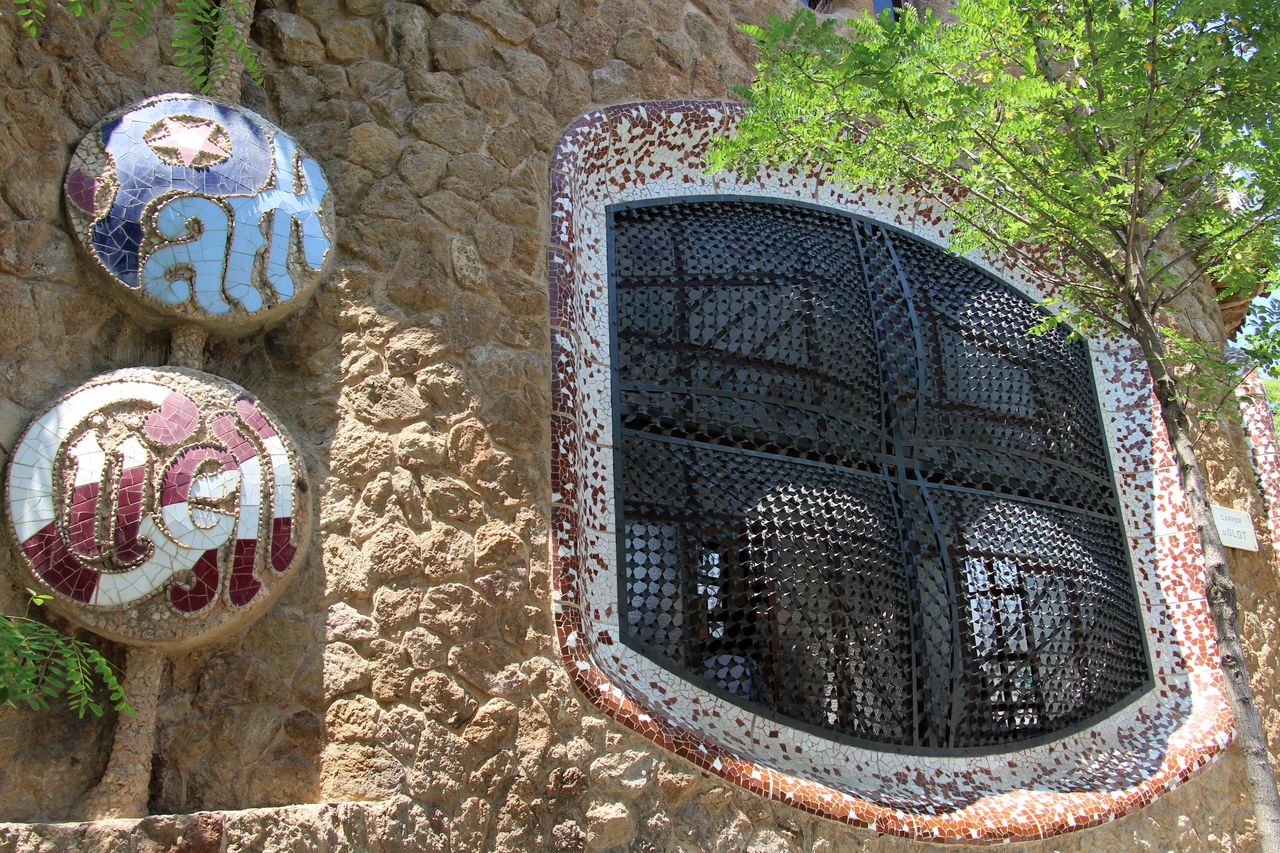
Gaudí’s park is firmly on the main tourist trail. The famous mosaic terrace and gatehouses are in a ticketed zone with timed entry, so book ahead. But the park extends well beyond that, with wooded paths and viewpoints that are open to everyone. Come early, see the monumental zone, then wander up into the quieter upper slopes.
A few ground rules
- Don’t walk around in swimwear away from the beach. It’s frowned upon and in some areas you can be fined.
- Eat late. Lunch is around 2pm and dinner from 9pm.
- A few words of Catalan, bon dia and gràcies, go a long way.
Planning a first visit? Read our guide to the Sagrada Família and our practical guide to Barcelona’s costs and rules.


