Part three of our Rothko series. Start with who was Mark Rothko?
For British visitors, the most famous Rothkos of all are a short train ride away. Tate owns nine of the Seagram murals, a group of dark, brooding paintings that Rothko himself chose to give to the gallery, and they are among the most celebrated works in its collection.
A restaurant commission he walked away from
In 1958 Rothko accepted a commission to paint a series of murals for the Four Seasons restaurant in the new Seagram Building on Park Avenue in New York, designed by Mies van der Rohe and Philip Johnson. Over the next two years he produced around thirty large canvases in deep maroons, reds and blacks, framed forms that feel like windows or doorways.
Then he changed his mind. Rothko decided that an expensive restaurant was the wrong place for paintings meant for contemplation, returned the money and kept the works. The series was later split up: groups of Seagram murals are now in the National Gallery of Art in Washington and in Japan, as well as in London.
Why Tate?
Rothko had a long relationship with Britain. Tate bought one of his paintings in 1959, the Whitechapel Gallery gave him a major exhibition in 1961, and he formed a warm friendship with Tate’s director, Norman Reid. Above all, he admired Turner, and he liked the idea of his work hanging in the same institution as Turner’s late, light-filled paintings.
In 1969 he gave nine of the Seagram murals to Tate, with firm ideas about how they should be shown: together, in a room of their own, in low light. He died in February 1970, before he could see them installed. The Rothko Room has been a place of pilgrimage for visitors ever since.
Where to see them now
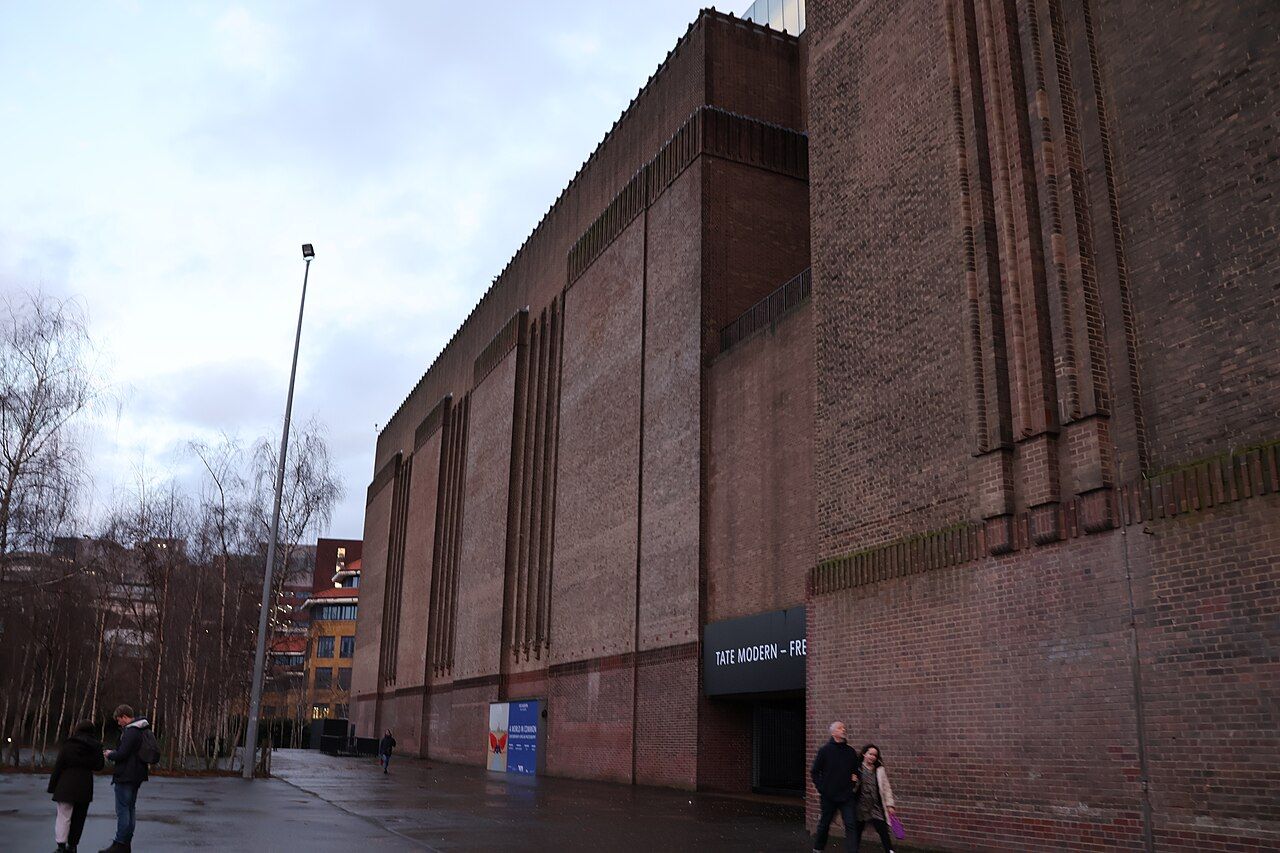
The murals have usually hung in their own room at Tate Modern on Bankside, but they do travel. In recent years they’ve been lent to a major Rothko retrospective in Paris, shown at Tate St Ives in Cornwall, and displayed at Tate Britain in conversation with Turner, which is exactly the pairing Rothko had in mind. Check Tate’s website before you go to see where they’re hanging. Entry to Tate’s collection displays is free.
How to look at them
Rothko wanted people to stand quite close to his paintings and stay a while. Give your eyes a few minutes to adjust to the low light, sit down if there’s a bench, and let the colours settle. The surfaces are far more varied and alive than they look in reproductions.
Next in the series: where to see Rothko around the world.


